iWalk 3.0 Hands-Free Knee Crutch – Keep Your Hands Free During Recovery
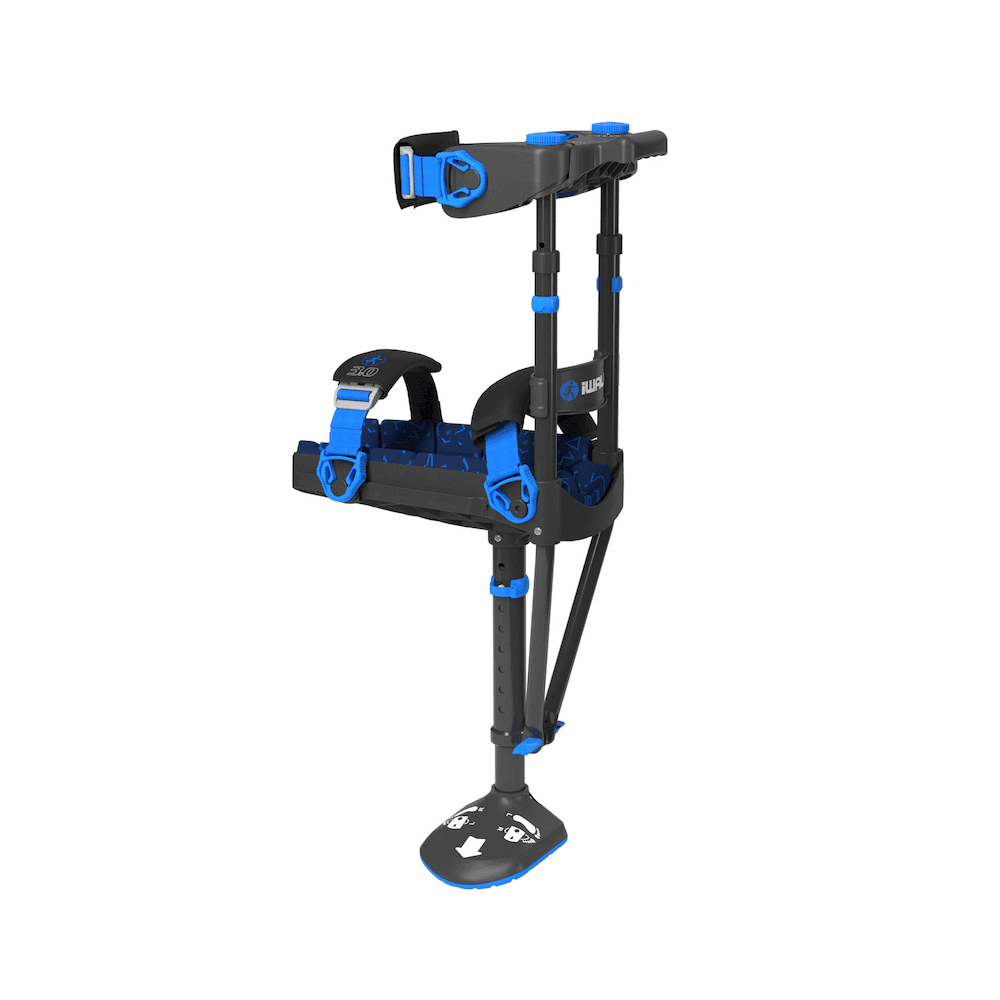
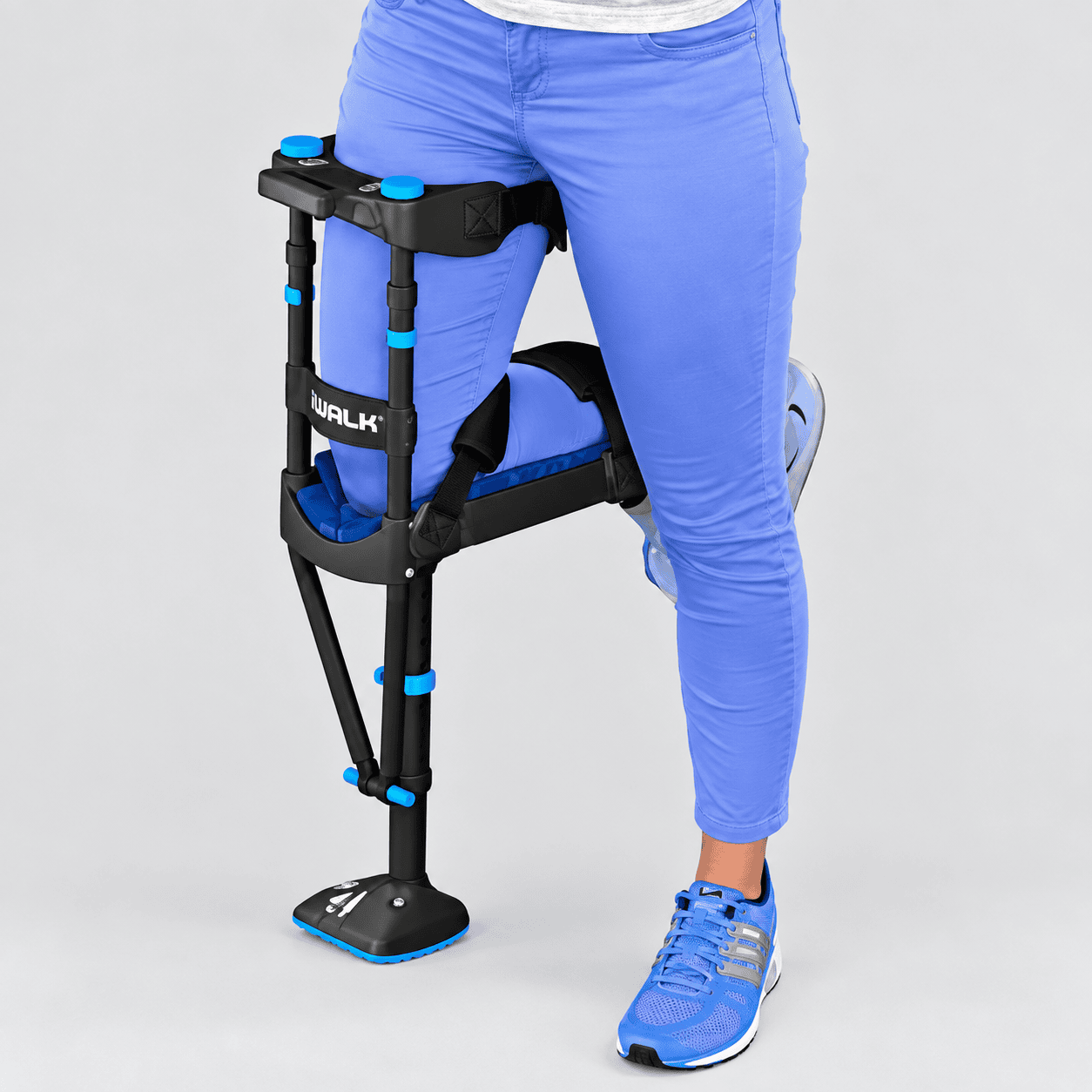
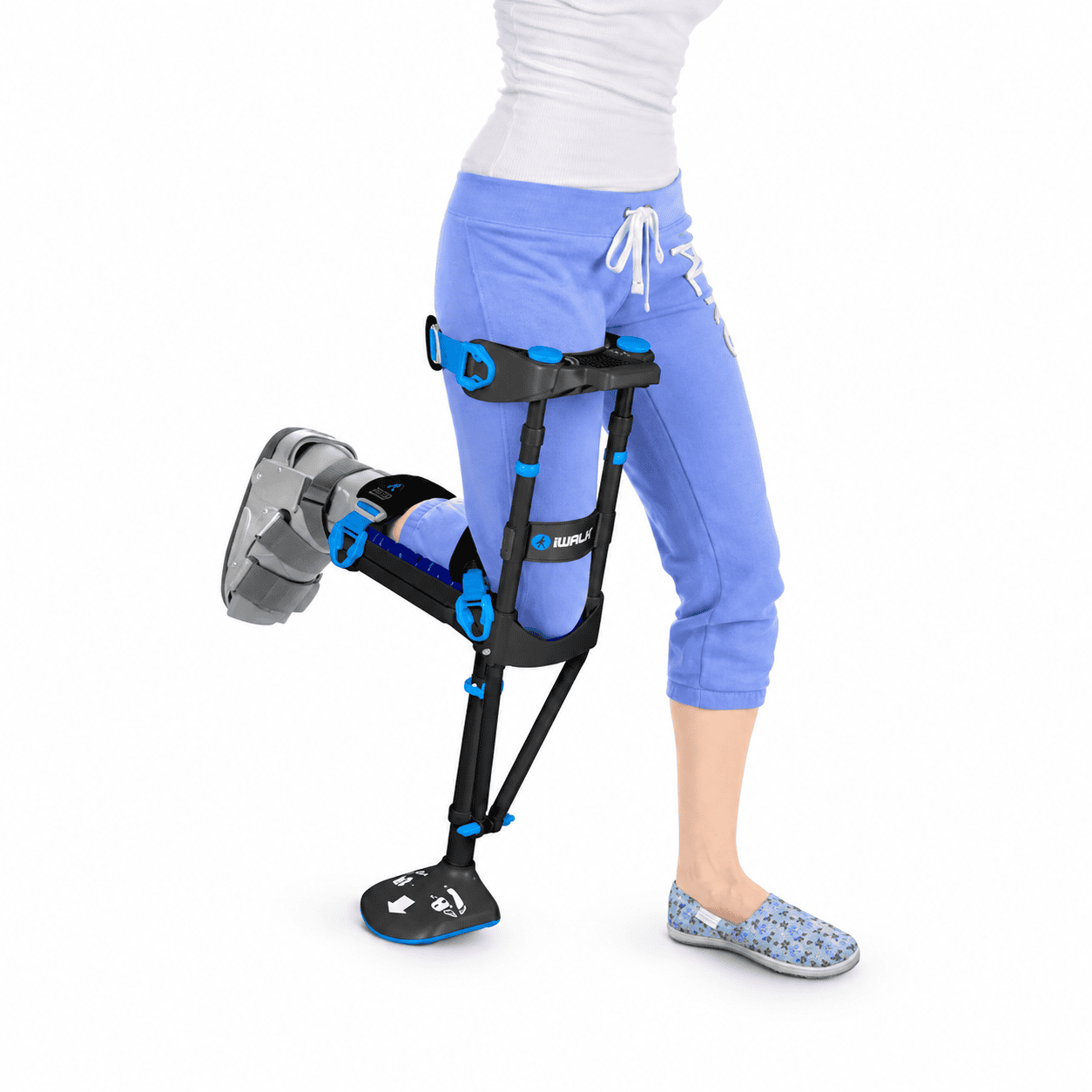
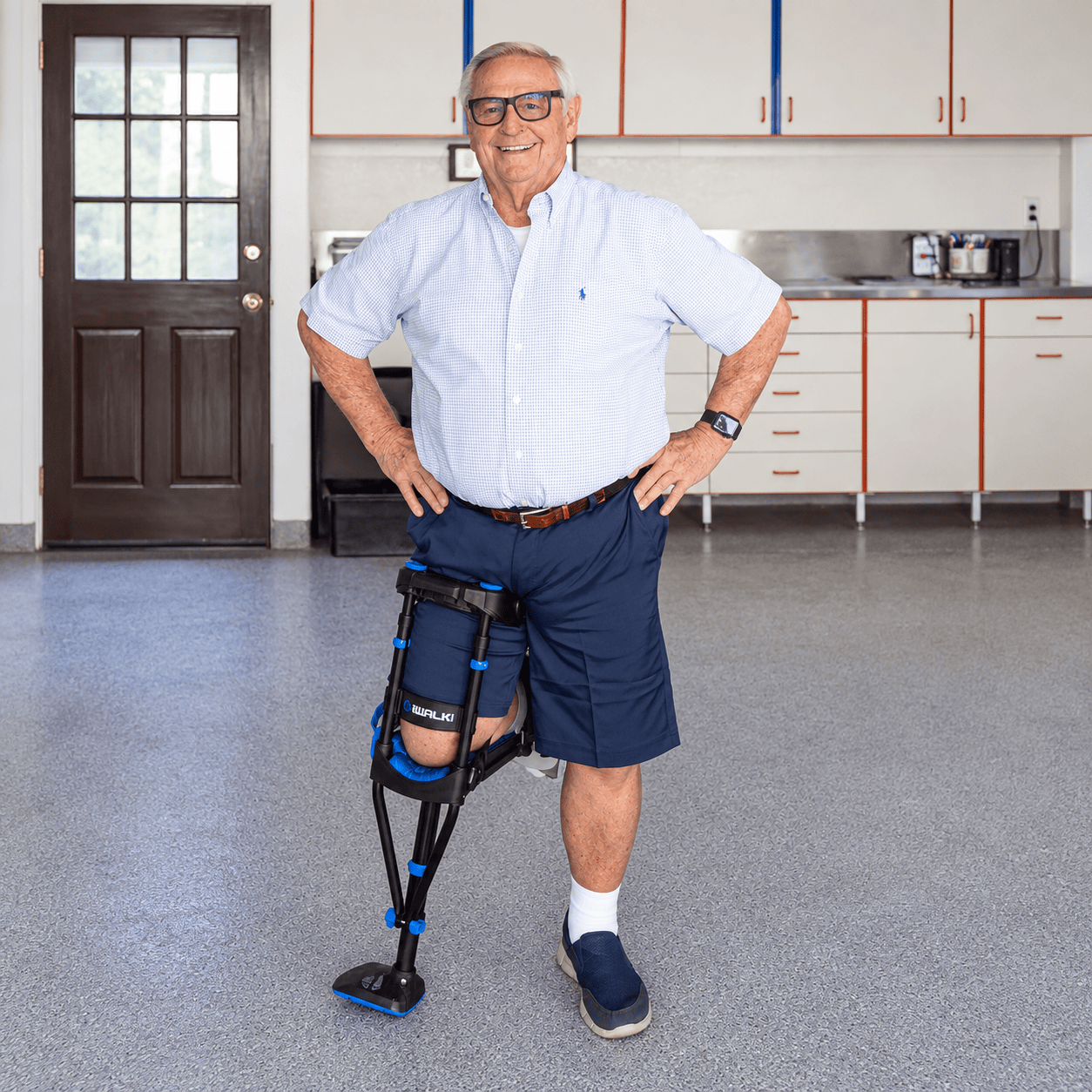
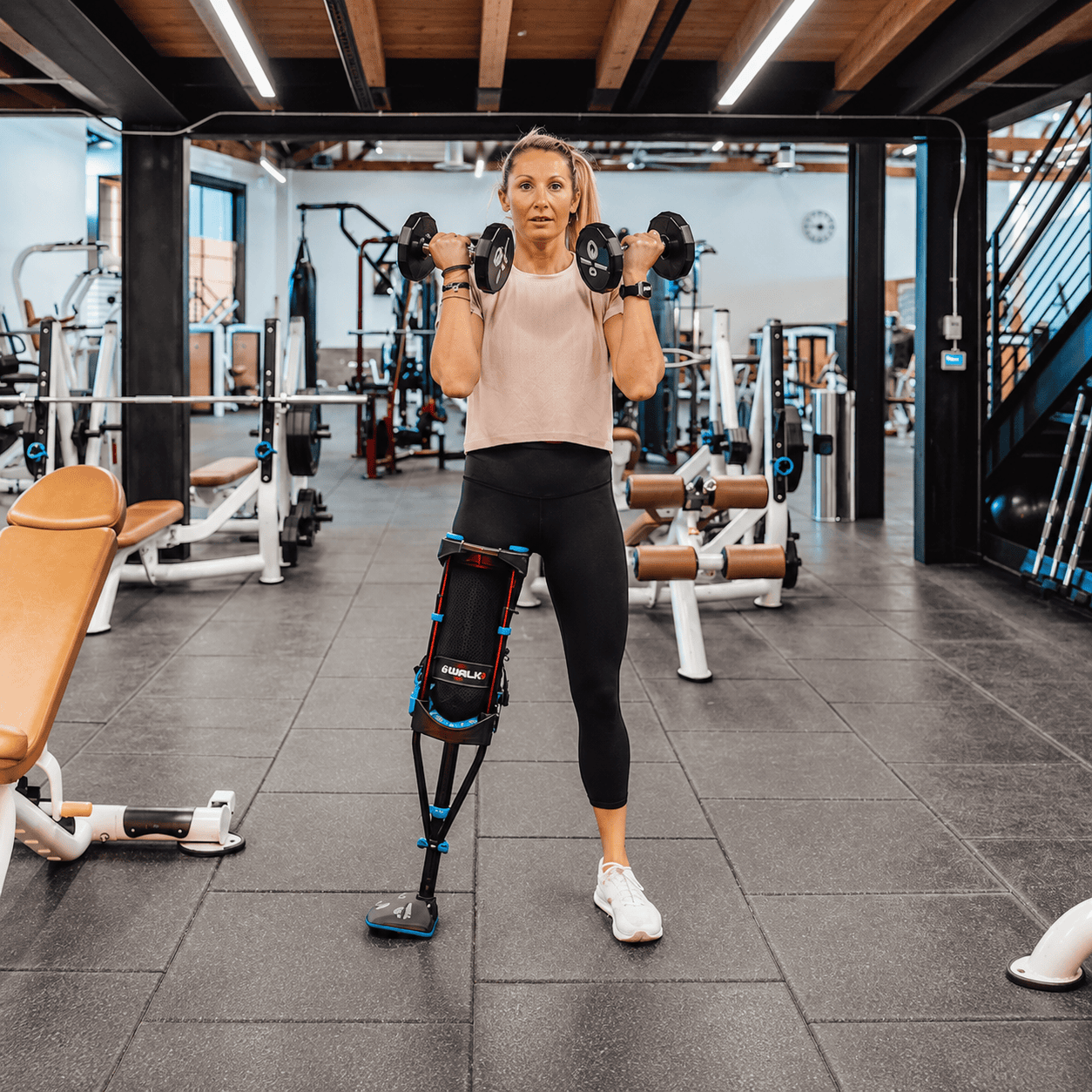
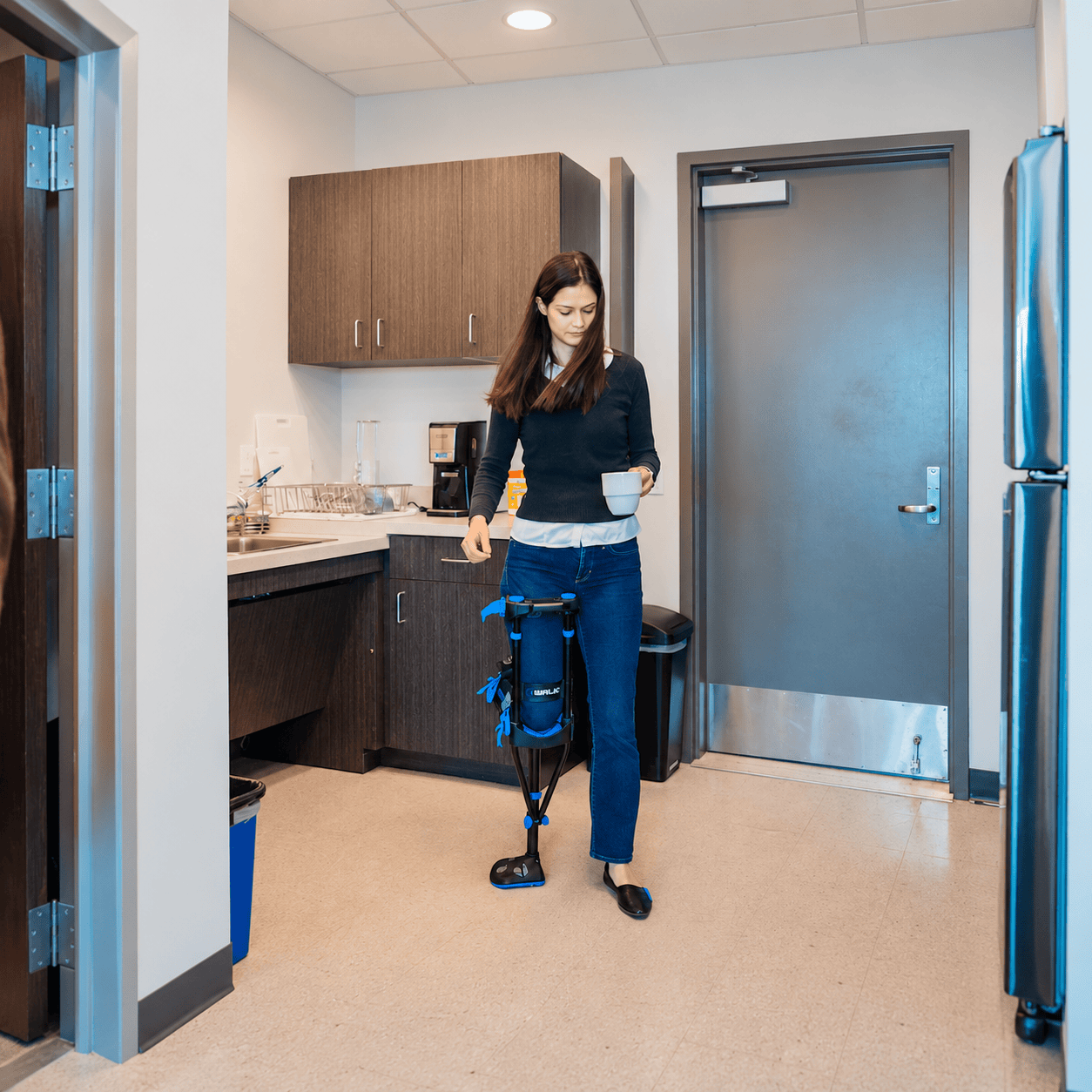
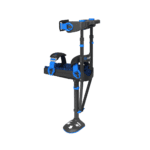
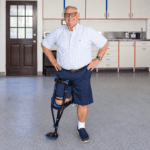
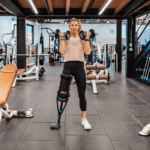
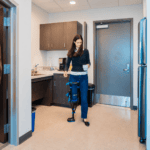
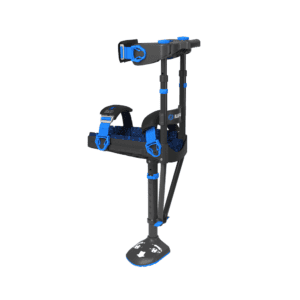
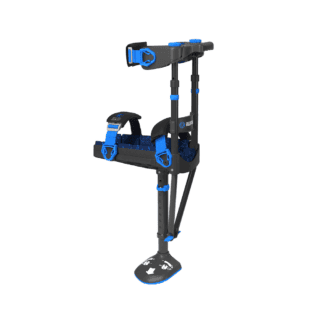
Would you like to keep your hands free while recovering from a foot or lower leg injury? The iWalk 3.0 is a hands-free knee crutch that allows your injured lower leg to rest in a bent position on a support platform. This keeps your injured foot or ankle free from weight-bearing while walking, leaving both hands available for everyday activities. Tasks such as cooking and carrying objects become possible again.
Is the iWalk 3.0 Suitable for You?
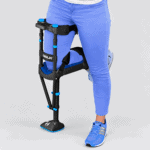
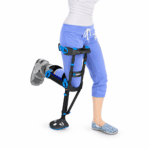
Walking with an iWalk is different from walking with traditional crutches and requires some practice and sufficient balance at first. Your knee is bent at an angle of approximately 90°, with your lower leg resting on the knee platform, while you walk using the artificial support leg of the iWalk.
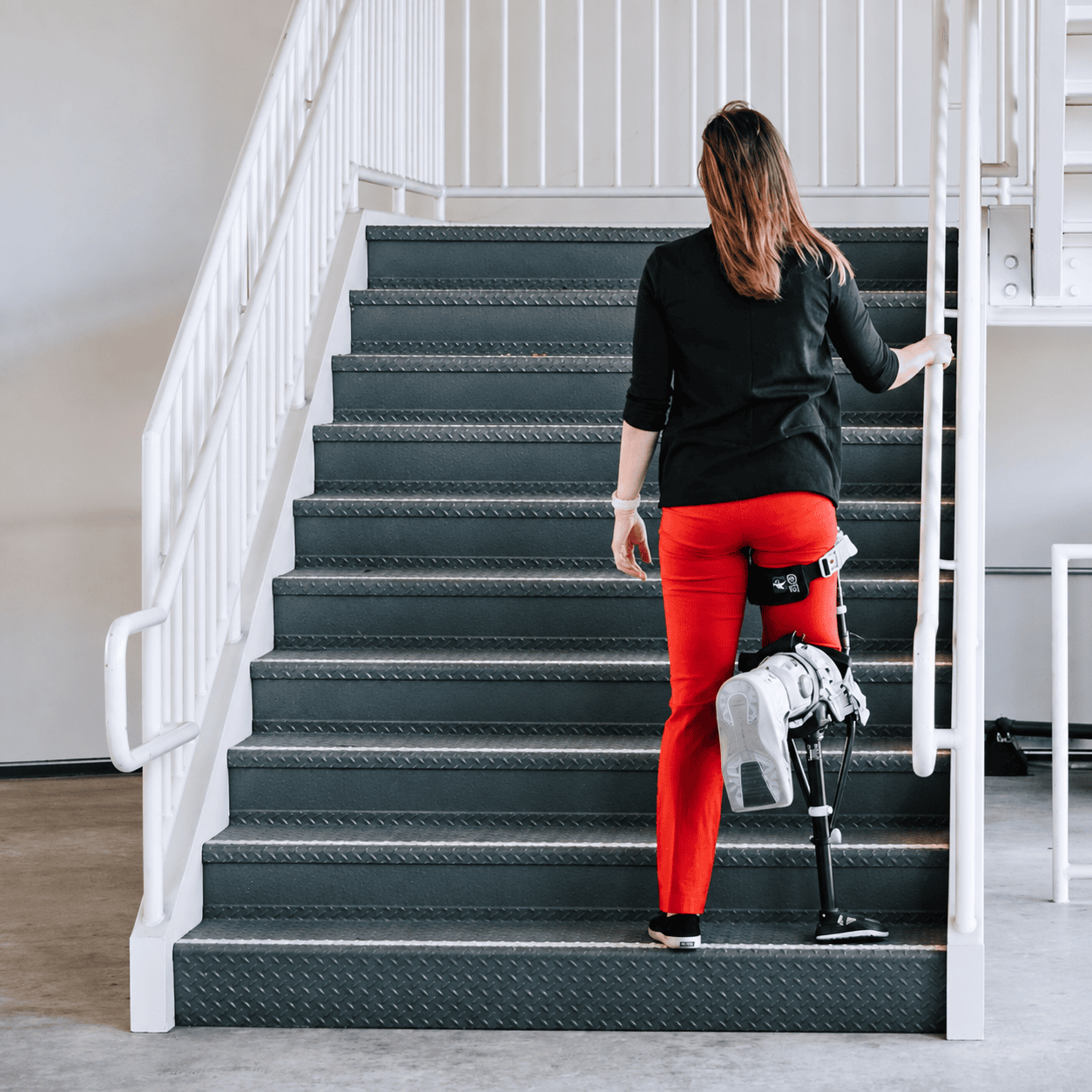
Although this keeps both hands free, it also means learning a new walking pattern. Your first steps may therefore feel unfamiliar. Turning, climbing stairs and walking on uneven surfaces require extra attention, especially in the beginning.
The iWalk may be suitable for you if:
- Your injury affects one leg and is located below the knee.
- Your other leg functions normally.
- Before your injury, you could walk up and down stairs without holding a handrail.
- You have sufficient balance and physical fitness to walk independently, for example, you can stand on your uninjured leg for at least 30 seconds.
- Your body measurements fall within the adjustable range of the iWalk.
The iWalk is probably less suitable if:
- You also have an injury or problems affecting the knee or thigh of your injured leg.
- You have difficulty maintaining your balance.
- Your uninjured leg cannot fully support your body weight or does not function properly.
- You already had difficulty climbing stairs before your injury.
- You are looking for a walking aid that can be used immediately without any practice.
Unsure whether the iWalk is suitable for you? Please contact us before ordering. We will be happy to help you.
The Hands-Free Alternative to Traditional Crutches
With traditional crutches, you need your hands to support yourself. This can make everyday activities difficult. For example, carrying a plate, a cup of coffee, a bag or another object while walking can be challenging.
With the iWalk, your body weight is transferred to the ground through the knee platform and artificial lower leg. Your injured foot and ankle remain non-weight-bearing, while both hands stay free.
This makes the iWalk particularly practical for people who want to remain relatively active and independent during recovery.
Benefits of the iWalk 3.0
- Both hands remain free while walking.
- No weight is placed on the injured foot or ankle during use.
- Suitable for both left and right legs.
- Suitable for indoor use and, after sufficient practice, outdoor use.
- Adjustable to accommodate different body heights.
- Suitable for various injuries and recovery situations below the knee.
When Can the iWalk Be Used?
The iWalk 3.0 can be used when one foot or lower leg temporarily needs to remain non-weight-bearing or can only bear limited weight, for example:
- Recovery after foot or ankle surgery.
- An Achilles tendon rupture.
- A stable foot or ankle fracture for which non-weight-bearing has been prescribed.
- Trauma or injury to the foot or ankle.
- Use in combination with certain casts or walking boots.
After surgery, a fracture or another medical condition, always follow the weight-bearing instructions provided by your treating healthcare professional.
Getting Used to Walking with the iWalk
Do not expect walking with the iWalk to feel exactly like normal walking straight away.
Start indoors on a flat surface and make sure you have something to hold on to while taking your first steps. For example, you can use a kitchen counter, sturdy table, handrail or one of your regular crutches.
As your confidence improves, you can gradually practise walking without additional support.
Our advice: keep your regular crutches available during the initial period. The iWalk does not need to replace them completely from the very beginning.
Climbing Stairs with the iWalk
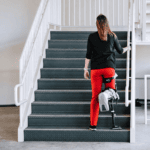
Climbing stairs requires more balance, strength and control than walking on a flat surface. Only start practising stairs once you have gained sufficient experience using the iWalk, and watch our instructional video beforehand.
Walking Outdoors with the iWalk
Keep in mind that uneven pavements, thresholds, gravel, grass and other irregular surfaces require more balance and attention than a flat floor.
We therefore recommend gaining sufficient experience indoors before walking longer distances outside.
Which Body Measurements Are Suitable for the iWalk 3.0?
The iWalk 3.0:
- Supports a maximum body weight of 125 kg.
- Accommodates a thigh circumference of up to approximately 68.5 cm.
- Is generally suitable without modification for most users between approximately 157 and 188 cm tall.
Are you shorter or taller? Body height alone is not the deciding factor, and your leg length should also be checked. Please refer to the sizing instructions below.
The iWalk is universal and can be worn on either the left or right leg.
Correct Adjustment Makes a Big Difference
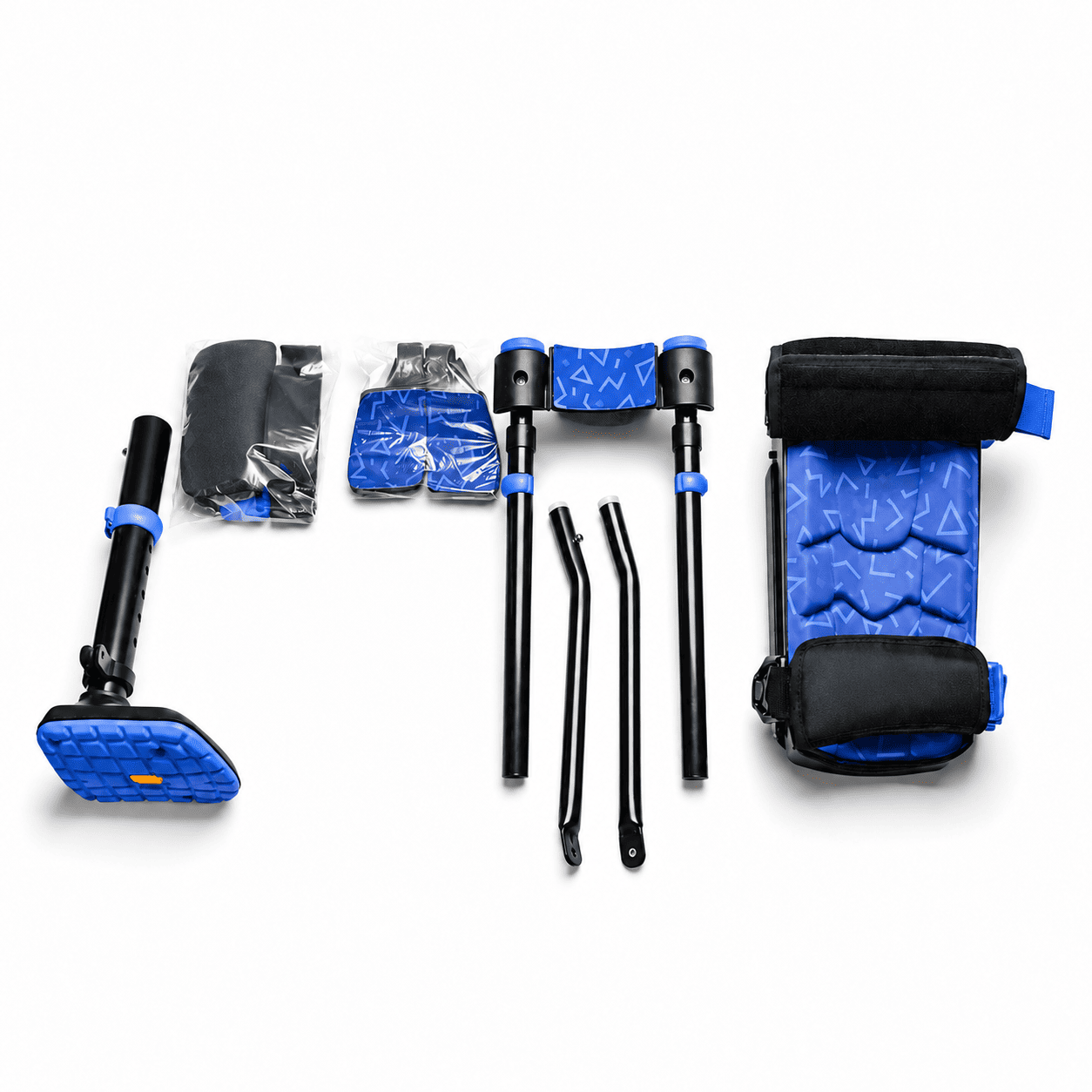
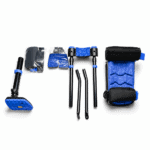
An incorrectly adjusted iWalk may feel uncomfortable or unstable. Therefore, take sufficient time to assemble and adjust the device properly.
Pay particular attention to:
- The height of the knee platform.
- The length of the artificial lower leg.
- The position of the straps around your thigh and calf.
- The height difference between the iWalk and your healthy leg while wearing a shoe.
Watch the instructional videos below before using the iWalk.
Assembling the iWalk 3.0
Adjusting the iWalk 3.0 to Your Body
Using the iWalk 3.0 for the First Time







Patrick Pellikaan (verified owner) –
Much better than crutches! Now I can at least do things and use my hands. Especially handy when I want to cook something.
David (verified owner) –
Fantastic product! I’m stuck at home with a torn Achilles tendon and was completely dependent on my friends and family. Now I can grab food and drinks again, lift my son, and even go outside for short distances. It took a little while to adjust it properly, but after that, it’s pretty easy to use. I’m incredibly happy with it; I have a bit of freedom back!
Martijn Mensch (verified owner) –
Dear Ms. Woltjer,
You can simply sit on a chair. However, the iWalk will protrude forward. Therefore, if you sit for long periods, it’s best to remove the iWalk.
Carolina Woltjer (verified owner) –
Dear Madam/Sir,
Is it possible to sit on a chair with the iWalk 3.0? Or do you have to take it off?
Kind regards,
Carolina Woltjer