What is a skier’s thumb (injury)?
A skier’s thumb is an injury to the ligament on the inside of the thumb. This injury usually occurs after a fall on an outstretched hand, for example while skiing, or when the thumb gets caught behind an object. The ligament can stretch or even tear completely. This injury is common among winter sports enthusiasts, but it can also occur in ball sports and other accidents where the thumb takes a sudden hit.
Diagnosis of a skier’s thumb
The diagnosis is made through physical examination. The doctor will assess swelling, mobility, and stability of the thumb joint. Sometimes additional imaging, such as an X-ray, is needed to rule out a fracture. If there is doubt about the severity of the ligament injury, an ultrasound or MRI may be performed.
Treatment and recovery of a skier’s thumb
Treatment depends on the severity of the injury. For a mild sprain, rest, cooling, and wearing a thumb brace are often sufficient. In case of a complete tear or persistent joint instability, surgery may be necessary. A thumb brace supports recovery by stabilizing the joint and preventing further damage. Recovery usually takes 4 to 8 weeks for mild injuries. After surgery, recovery may take longer. Physiotherapy helps restore strength and mobility. Returning to activity too soon increases the risk of reinjury, so activities should be resumed gradually.
Supportive Thumb Brace for a Skier’s Thumb Injury
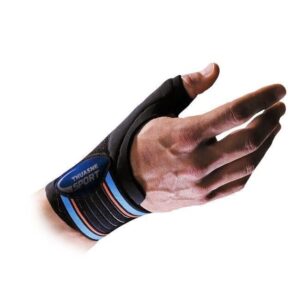
A thumb brace is an essential tool for recovering from a skier’s thumb. By stabilizing the joint and relieving the damaged ligament, a brace prevents the thumb from making unwanted movements that could slow recovery or worsen the injury. This allows the ligament to heal gradually while your hand remains functional for light daily activities.
A brace restricts the movement of the thumb joint, especially sideways motion, which is often painful with a skier’s thumb. This prevents further stress on the torn or sprained ligament. The rest and protection provided by the brace reduce pain, decrease swelling, and allow the tissue to heal optimally. Additionally, a brace provides confidence to use the hand carefully without risking further damage.
What are the benefits of a thumb brace for a skier’s thumb?
- Speeds up recovery: stabilization allows the ligament to heal faster.
- Reduces pain: the thumb is supported, immediately decreasing discomfort.
- Prevents reinjury: protecting the thumb during daily activities lowers the risk of new injuries.
- More mobility: unlike a cast, a brace often allows movement of the other fingers and wrist.
- Safe rehabilitation: you can start light rehabilitation exercises earlier under the guidance of a doctor or physiotherapist.
Which braces are suitable for a skier’s thumb?
Special thumb braces have been developed for skier’s thumb that firmly stabilize the thumb joint while leaving the rest of the hand free. Suitable braces are usually adjustable, made of comfortable and breathable material, and easy to adapt to the level of swelling. It is important that the brace fits snugly around the thumb joint and provides sufficient support without pinching. You may consult a ProBrace specialist to choose the right brace for your situation.