Achilles Tendon Injury: Understanding Pain, Inflammation, and Tears
An Achilles tendon injury is a common problem that can occur due to overuse, sports activities, or a sudden movement. The Achilles tendon is the largest and strongest tendon in the body, located at the back of the lower leg. It connects the calf muscles to the heel bone and enables movements such as walking, running, jumping, and climbing stairs by moving the foot downward (plantar flexion) and providing push-off power. When the tendon is overloaded, it can cause Achilles tendon pain, which may feel sharp, burning, or aching at the back of the foot or calf.
Achilles tendon inflammation, also known as tendinopathy, often develops from repeated stress and can be accompanied by swelling, stiffness, and reduced strength. In more severe cases, an Achilles tendon tear may occur, in which the tendon partially or completely ruptures. This results in sudden, intense pain and sometimes a “pop” sound, making normal walking nearly impossible.
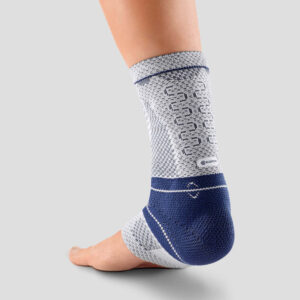
Timely treatment of an Achilles tendon injury is crucial to promote healing and prevent further damage. Depending on severity, treatment may include rest, ice therapy, stretching and mobilization exercises, physiotherapy, braces, or night splints to relieve the tendon. In the case of a complete tear, surgery may sometimes be required. Early recognition of symptoms and targeted intervention help restore tendon strength and flexibility, reduce pain, and lower the risk of recurrence.
With the right guidance, an Achilles tendon injury can fully heal, allowing you to move and participate in sports safely again.
Achilles Tendon Injuries
The Achilles tendon is an important tendon. If it does not function properly, it can cause problems in the ankle joint. That is why an Achilles tendon injury must be treated promptly and correctly. Always consult a specialist for appropriate advice.
Causes of Achilles Tendon Injuries
An Achilles tendon injury can occur in different ways. It can happen suddenly, when a lot of force is unexpectedly placed on the tendon. It can also develop over time due to repetitive movements. For more information, see the different types of injuries below.
Symptoms of Achilles Tendon Pain
There are many symptoms that indicate whether or not you have an Achilles tendon injury. But what types of injuries exist, and which symptoms match your complaints? Below are the main injuries, explained in detail:
For more information about these injuries and possible treatments, call ProBrace for professional advice.