What is non-specific lower back pain?
Non-specific lower back pain refers to complaints where no specific condition, such as a lumbar hernia or fracture, can be identified. This does not mean the complaints are less serious, but rather that there is no clear structure that can be pointed to as the cause.
This often makes the complaints frustrating. Many people want to know where the pain comes from and how it can be resolved. In many cases, multiple factors play a role at the same time.
This type of lower back pain is very common and affects a large part of the population.
Lower back pain without a clear cause
Do you experience lower back pain without a clear cause being found? This is often referred to as non-specific lower back pain. The pain is usually located in the lower back but can be difficult to pinpoint exactly.
Many people experience these complaints during daily activities such as sitting, standing, walking, or lifting. The pain can sometimes radiate to the buttocks or upper legs, without there being a clear nerve compression.
Possible causes
Although no specific cause can be identified, there are factors that may contribute to the development of non-specific lower back pain.
Common factors
- Overload of muscles and joints
- Prolonged sitting or poor posture
- Reduced muscle strength or stability
- Wear and tear (osteoarthritis) in the spine
- Previous back complaints or injuries
Often, it is a combination of these factors that leads to lower back complaints.
Symptoms of non-specific lower back pain
- Pain in the lower back
- Pain radiating to the buttocks
- Pain radiating to the upper legs
- Pain during prolonged sitting or standing
- Pain when lifting or bending
- Stiffness in the lower back
Treatment and managing lower back pain
Although the cause is not always clear, there are ways to reduce the symptoms. With acute lower back pain, it is important to keep moving. Regular walking or light exercises can help keep the back flexible.
In addition, it is important to avoid overloading the back and to pay attention to posture during daily activities. In some cases, guidance from a physiotherapist can help to better manage the complaints.
Would you like to learn more about what you can do yourself for lower back pain? Also read what to do for lower back pain.
Support with a back brace
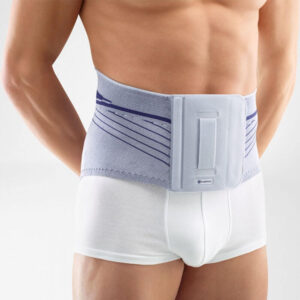
A back brace can help with non-specific lower back pain by providing extra support and stability. This reduces the load on the back and can help decrease pain.
Especially during daily activities such as working, walking, or lifting, a brace can help relieve the back and provide more control during movement.
Benefits of a back brace
- Supports the lower back
- Helps reduce pain
- Improves posture and stability
- Reduces strain during activities
- Provides more confidence while moving
Which back brace is suitable?
With non-specific lower back pain, it is important that the brace provides support without restricting freedom of movement. A comfortable fit and good stability are essential.
Since symptoms and physical load differ per person, it is advisable to seek advice from a ProBrace specialist.
When to seek medical help
If the complaints persist, worsen, or are accompanied by numbness, tingling, or loss of strength, it is advisable to consult a doctor. Additional examination is also important if there is uncertainty about the cause.
Targeted exercises can also help keep the back flexible, such as these exercises for a flexible back.