What is a calf muscle tear?
A calf muscle tear occurs when muscle fibers in the calf suddenly partially or completely rupture due to overload. This injury often occurs in athletes who perform explosive movements such as sprinting, jumping, or pushing off forcefully. The pain usually occurs acutely and is often described as a sharp, stabbing sensation in the calf.
Location and function of the calf muscles
The calf mainly consists of the gastrocnemius and the soleus. These muscles are responsible for extending the foot and play an important role in walking, running, jumping, and pushing off during sports. With every step, the calf muscles are heavily loaded, making them prone to overuse and injuries. A calf muscle injury can therefore significantly impact daily movement.
What happens during a calf muscle tear?
When the load on the muscle becomes too great, muscle fibers can partially or completely tear. This often happens when the muscle produces force while already being stretched. Examples include sprinting, sudden push-off, or unexpected movements. The injury is usually accompanied by immediate pain and loss of function. Many athletes describe it as feeling a “snap” in the calf or as if something suddenly shoots in the muscle.
How does a calf muscle tear occur?
A calf muscle tear is usually caused by a combination of overuse and insufficient preparation of the muscle. When too much strain is placed on the calf, the muscle fibers can tear. Factors such as poor warm-up, fatigue, cold muscles, or sudden forceful exertion significantly increase the risk. Reduced blood circulation or stiffness in the muscle can also contribute to the development of the injury.
The risk of a calf muscle injury increases especially during intense sports activities or in cold conditions.
Symptoms of a calf muscle tear
- Sudden sharp or stabbing pain in the calf
- Difficulty walking or pushing off
- Swelling or bruising
- Muscle stiffness and loss of strength
- A sensation of something “snapping” in the calf
- Pain in the calf when walking or climbing stairs
Diagnosis and treatment of a calf muscle tear
The diagnosis is usually based on symptoms and a physical examination. In some cases, additional tests may be required. Rest is essential in the initial phase of recovery. After that, the load can gradually be increased.
When too much strain is placed on the calf muscles, they can tear due to overload. It is important to ensure that the muscles are in optimal condition before loading them again. Heat and proper blood circulation are key factors in this process. It is also possible that reduced mobility develops after immobilization of the foot; in such cases, a night splint may provide support.
How long does recovery from a calf muscle tear take?
Recovery from a calf muscle tear varies per person and depends on the severity of the injury. In mild cases, recovery may take a few weeks, while more severe tears require more time. People searching for recovery time mainly want to know when daily activities or sports can be safely resumed. It is important not to overload the muscle too soon.
Support with a calf brace for a muscle tear
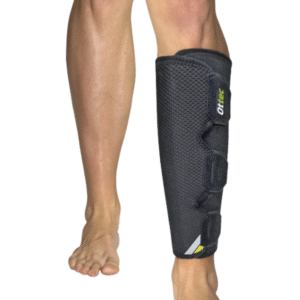
A calf brace or compression sleeve can play an important role during recovery. The brace supports the muscle and helps distribute load more evenly during movement. During the recovery phase, a brace provides extra confidence and reduces the risk of re-injury. This allows you to gradually and safely return to activity.
If you are looking to buy a calf brace or need support for a calf muscle tear, it is important to choose a brace that provides sufficient compression without restricting the muscle too much. A compression sleeve for calf injuries can also be beneficial for both sports and daily use.
Benefits of a calf brace for a muscle tear
- Supports the calf muscles during movement
- Stimulates blood circulation
- Reduces pain
- Helps speed up recovery
- Provides stability and confidence during walking and sports
- Suitable for daily use and sports activities
- Supports controlled load progression