What is a meniscus injury?
With a meniscus injury, one of the cartilage rings in the knee joint is affected. The menisci provide shock absorption, stability, and proper pressure distribution during movement. In addition, the menisci have a proprioceptive function: they send information to the brain about the position of the knee joint, for example whether the knee is bent or straight. When a meniscus is damaged, this function can be disrupted, which may lead to pain, instability, and reduced control over the knee.
Function of the meniscus in the knee joint
Position of the medial and lateral meniscus
Each knee contains two menisci: the medial meniscus and the lateral meniscus. They are located between the thigh bone and the lower leg and function as a kind of cushion within the joint. The medial meniscus is less mobile and therefore more susceptible to a meniscus tear, especially during twisting movements of the knee while the foot remains planted on the ground.
Difference between acute damage and meniscus wear
Acute meniscus damage
In an acute meniscus injury, a tear often occurs in the medial or lateral meniscus, for example during sports. This happens when the body twists while the lower leg remains fixed, such as in football, hockey, or rugby. Sometimes a popping or cracking sensation is felt, after which the knee may become swollen and painful. When the meniscus is torn, putting weight on the knee can cause significant pain.
Degeneration of the meniscus
Besides an acute injury, the meniscus can also gradually wear down. This is called degeneration and is part of the body’s natural aging process. With degenerative meniscus injuries, symptoms often develop slowly and increase over time as the quality of the cartilage decreases. The meniscus becomes, as it were, “worn out.”
Development of a meniscus injury
A meniscus injury can therefore occur suddenly due to trauma or gradually due to wear and tear. In both cases, the knee may feel less stable and pain can occur during movement, twisting, or loading the joint.
How does a meniscus injury occur?
A meniscus is often damaged during sports activities where the body twists while the foot remains planted on the ground. Examples include sports such as football, tennis, or skiing. Squatting, heavy lifting, or prolonged strain can also lead to irritation of the meniscus. In an acute injury, pain and swelling usually occur immediately, while degenerative complaints develop gradually.
Symptoms of a meniscus injury
- Pain on the inside or outside of the knee
- Swelling or fluid in the knee
- A locking or “stuck” sensation in the joint
- Cracking or popping sensations during movement (crepitus)
- Pain when climbing stairs, squatting, or twisting
- Stiffness and reduced range of motion
Treatment of a meniscus injury
Treatment of a meniscus injury focuses on reducing pain and restoring stability and control in the knee. Rest, activity modification, and targeted exercise therapy play an important role. In some cases, surgery may be necessary, but recovery is often possible with proper guidance and support. A knee brace can help stabilize the knee joint and limit further overloading.
Supportive knee brace for meniscus complaints
A knee brace provides support for a meniscus injury by adding stability to the knee joint. This helps control twisting movements and reduces strain on the meniscus during walking, working, or sports. The brace supports the knee without fully restricting mobility, allowing you to keep moving safely.
Which braces are suitable for a meniscus injury?
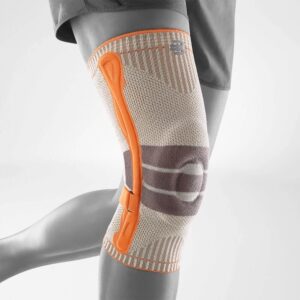
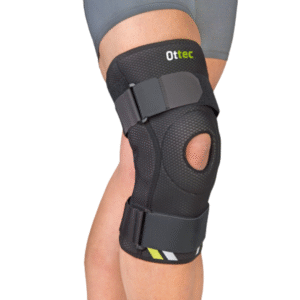
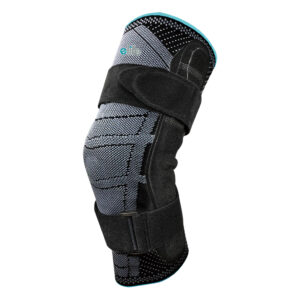
For meniscus complaints, stabilizing knee braces are suitable as they support the knee joint and help limit unwanted twisting movements. Depending on the severity of the injury, you can choose an elastic knee brace, a hinged brace, or a more rigid support.
Benefits and features of a knee brace for a meniscus injury
Wearing a knee brace for a meniscus injury can help stabilize the knee and reduce pain during movement. A good knee brace supports the joint, improves knee control, and provides more confidence during daily activities or sports.
- Provides extra stability to the knee joint
- Reduces pain during twisting and loading
- Supports the meniscus during movement
- Helps prevent knee overuse
- Suitable for sports and daily use
- Comfortable and adjustable design
- Limits movement without full immobilization