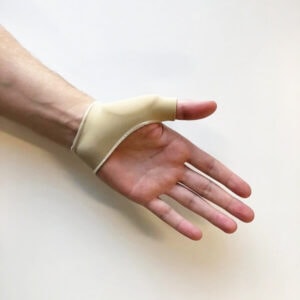
What is rheumatism in the hand?
Rheumatism in the hand is usually a form of inflammatory rheumatism, such as rheumatoid arthritis (RA). In this condition, the joint capsule becomes inflamed, causing the joints to feel warm, swollen, and painful. Rheumatism in the hand often affects multiple joints at the same time and usually occurs in both hands. Without proper treatment, the inflammation can damage cartilage and bone, leading to deformities and loss of function.
Where does rheumatism in the hand occur?
Rheumatism in the hand can affect several joints, but is most commonly seen in:
- The knuckles (MCP joints)
- The middle finger joints (PIP joints)
- The wrist (also involved in many people)
Symptoms can fluctuate, with periods of flare-ups and remission.
How does rheumatism develop?
Rheumatism develops gradually. In the early stages, there may be no noticeable joint symptoms. At a later stage, the fingers may start to feel sensitive and stiff. Many studies are ongoing to determine the exact cause of rheumatism. What is known so far is that rheumatism can develop at any age and involves a dysfunction of the immune system. This autoimmune response may be triggered by bacterial infections, stress, or excessive strain. Rheumatism is more common in women than in men.
Symptoms of rheumatism in the hand
- Painful, swollen, and warm joints in the hand and fingers
- Morning stiffness (often lasting longer than 30–60 minutes)
- Loss of strength and difficulty gripping or pinching
- Fatigue and sometimes a general feeling of illness
- Restricted movement and, over time, joint deformities
Diagnosis of rheumatism in the hand
The diagnosis is made by a physician (usually a rheumatologist) based on symptoms, physical examination, and additional tests. These may include blood tests (inflammatory markers and antibodies) and imaging such as ultrasound or X-rays to assess inflammation and joint damage. Early diagnosis and treatment are important to limit long-term damage.
Treatment and recovery
Treatment of rheumatism in the hand focuses on reducing inflammation and preserving hand function. This often involves medication (such as anti-inflammatory drugs and DMARDs) and guidance from a hand therapist or physiotherapist. Exercises help maintain mobility and strength, while managing load is important to reduce flare-ups. A brace can provide support during daily activities or offer rest during periods of pain and swelling.
Treating rheumatism with a hand brace or wrist brace?
With rheumatism, it is important to seek advice from a doctor or specialist, who may prescribe medication and refer you to a medical professional for exercise therapy to reduce stiffness. A hand brace or finger brace can help stabilize and relieve painful joints. This may reduce pain, improve grip and control, and limit overload during daily activities. During flare-ups, a brace can provide additional rest, while during activities it offers support. It is important that the brace fits comfortably and does not cause pressure points, especially with sensitive or swollen joints.
Which braces are suitable for rheumatism in the hand?
For rheumatism in the hand, braces are suitable that support the joints most affected, such as finger braces for the fingers/knuckles or a hand or wrist brace if the wrist is also involved. Preferably choose an adjustable, soft brace that fits well without constricting and is easy to put on and take off. Because rheumatic symptoms can fluctuate (with more or less swelling), proper fit is especially important. Seek advice from a ProBrace specialist to choose the right brace for your situation.