What is tarsal tunnel syndrome?
Tarsal tunnel syndrome is a condition in which the posterior tibial nerve, an important nerve on the inner side of the ankle, becomes compressed within the tarsal tunnel. This tunnel is a narrow space between the ankle bone and the surrounding tendons and ligaments. Swelling, overuse, injury, or foot misalignment can place pressure on the nerve, leading to pain and neurological symptoms in the foot.
Causes of tarsal tunnel syndrome
The most common causes of tarsal tunnel syndrome include overuse, an ankle sprain, foot alignment abnormalities, prolonged standing, and swelling due to inflammation or a cyst. Conditions such as rheumatoid arthritis and diabetes may also contribute to its development.
The syndrome develops as a result of compression of a nerve in the foot. This pressure may be caused by factors such as a sprain, swelling, or tissue thickening, which irritates the nerve and results in pain and other symptoms in the foot.
Symptoms of tarsal tunnel syndrome
- Pain, tingling, or a burning sensation on the inner side of the ankle
- Numbness or tingling in the heel, sole of the foot, or toes
- Worsening of symptoms when standing or walking
- Muscle weakness or loss of strength in the foot
- Symptoms often improve with rest
Diagnosis and treatment of tarsal tunnel syndrome
Several treatment options are available for tarsal tunnel syndrome. Conservative treatments are often effective and may include consulting a physiotherapist. Pain relief can also be achieved by making adjustments to footwear or by using supportive aids such as a splint, brace, or crutches. If these measures do not provide sufficient relief, surgical treatment may be considered.
Supportive ankle brace for tarsal tunnel syndrome
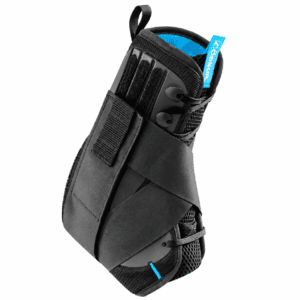
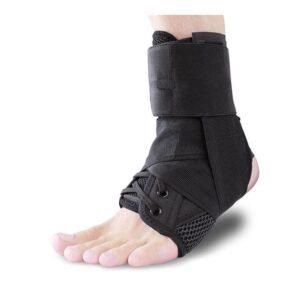
An ankle brace is an effective aid for tarsal tunnel syndrome, as it stabilizes the ankle joint and limits unwanted movements that can increase pressure on the nerve. By supporting and unloading the ankle, tension on the nerve tissue is reduced, which often leads to a decrease in pain, tingling, and other symptoms. In addition, a brace helps prevent overuse during daily activities, sports, or prolonged standing. Wearing an ankle brace can speed up the recovery process and provide greater confidence when walking and moving, without fully immobilizing the ankle. When choosing a brace, pay attention to comfort, fit, and sufficient support so it can be worn comfortably for longer periods.
Which braces are suitable for tarsal tunnel syndrome?
For tarsal tunnel syndrome, ankle braces that provide stability while still allowing enough flexibility for normal walking are most suitable. Preferably choose an adjustable brace made of breathable material, ensuring a good fit without excessive pressure. Some models offer extra support on the inner side of the ankle, where the nerve is compressed, and are easy to put on and take off. Certain braces are specifically designed to reduce pressure on the nerve area and help correct foot alignment. Always seek advice from a ProBrace specialist to ensure you choose the right brace for your symptoms and foot type.