Anatomy of the Thigh
The thigh, also called the femur, is connected to two joints. The upper part of the femur connects to the hip, the hip joint. The lower part of the femur connects to the lower leg, the knee joint. Thigh pain can occur after a fall or after repeated (incorrect) movements.
Hip Joint vs. Knee Joint
The head of the femur fits into the hip socket. Thanks to the ball-and-socket joint, the thigh has a wide range of motion, including rotation. The knee, however, does not have the same range of motion. The knee functions as a hinge joint. It can bend, straighten, perform slight side-to-side movements (varus/valgus), and rotate slightly.
The femur is surrounded by many different muscles that perform various movement functions. During sports, injuries can occur after a fall or improper movements. The muscles around the thigh can become irritated or tear. Joints can also be affected; in that case, consider a knee brace or hip support.
Causes of Thigh Injuries
Many different issues can arise. A thigh injury can occur suddenly or acutely, for example, when a muscle tear happens. This usually occurs in the quadriceps or hamstring muscles.
Thigh Injury Symptoms
To see where you are experiencing issues and which symptoms occur with your complaints, the following injuries can be considered:
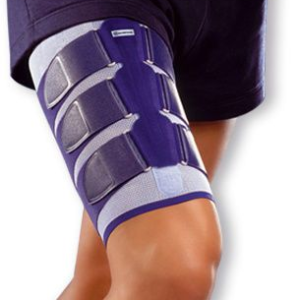
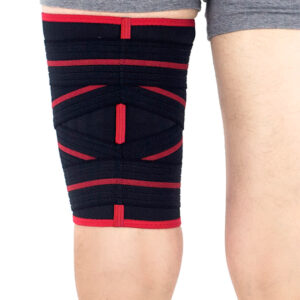
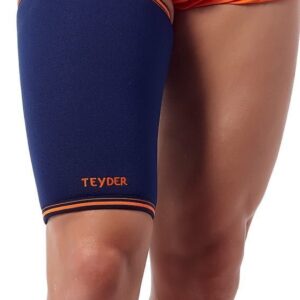
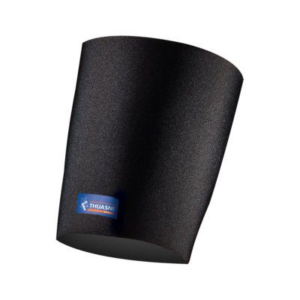
Injury? Buy a Thigh Brace!
The hamstring is located at the back of the thigh. It consists of three muscles that allow you to swing your leg backward and bend the knee. Unfortunately, these muscles can sometimes get injured. When a lot of tension and force is applied, the muscle can tear or overstretch. If the muscle tears, severe pain will be felt at the back of the thigh.
For more information and how to treat a hamstring injury, click here!
Quadriceps Injury? Buy a Thigh Bandage!
The quadriceps are the muscles located at the front of the thigh. As the name suggests, the quadriceps consist of four muscles. These muscles allow you to move your legs forward and straighten the knee. During explosive and powerful movements, the quadriceps can tear or overstretch, causing severe pain in the thigh. Curious about other symptoms and how to recover quickly? Click here to read more.