What is spinal stenosis?
Spinal stenosis is a narrowing of the spinal canal (vertebral foramen). This is the opening in the spine through which nerves pass. These nerves run from the back to the legs and are responsible for sensation and movement.
When this space becomes smaller, the nerves can become compressed. This causes irritation and pain, often radiating to the legs. These symptoms can resemble a herniated disc, but have a different cause.
Pain in the legs when walking or standing
Do you experience pain in your legs while walking or a heavy, fatigued feeling in the legs when standing? This may indicate spinal stenosis. These symptoms occur because the nerves in the back are under pressure.
Many people notice that symptoms decrease when they sit down or bend forward. This is because there is temporarily more space in the spinal canal.
Causes of spinal stenosis
Spinal stenosis usually develops gradually and mainly occurs in people over the age of 50. Degeneration of the spine plays an important role.
Common causes
Complaints and symptoms
Symptoms of spinal stenosis often develop gradually and may worsen over time. Pain is not only present in the back but often radiates to the legs. Symptoms are especially noticeable during walking or prolonged standing.
Symptoms of spinal stenosis
- Pain in the legs when walking
- Heavy or fatigued feeling in the legs
- Tingling in the legs
- Numbness in the legs
- Pain during prolonged standing
- Relief of symptoms when sitting or bending forward
When do symptoms worsen?
Symptoms often worsen when standing upright or walking, as the spinal canal becomes narrower in these positions. This increases pressure on the nerves. When you sit down or bend forward, the pressure decreases and symptoms often temporarily improve.
Treatment and managing spinal stenosis
With spinal stenosis, it is important to reduce strain on the back and improve posture. Prolonged standing and heavy strain can worsen symptoms and are therefore often discouraged. Adjusting posture and movement plays an important role in reducing symptoms. In some cases, guidance from a physiotherapist can be helpful.
Support with a back brace
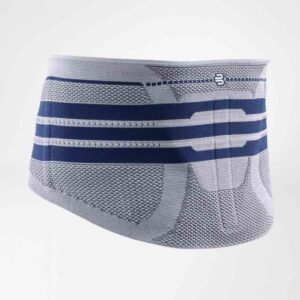
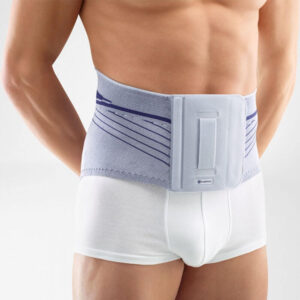
A back brace or corset can help with spinal stenosis by providing additional support and stability to the spine. This reduces pressure on the nerves and can relieve symptoms. Especially during activities such as walking, standing, or working, a brace can help improve posture and relieve the back.
Benefits of a back brace
- Supports the spine
- Helps reduce pressure on the nerves
- Improves posture
- Reduces pain during movement
- Provides more confidence while walking and standing
Which back brace is suitable?
With spinal stenosis, it is important that the brace provides sufficient support without completely restricting movement. A brace that supports a slightly forward-leaning posture may provide additional relief.
If you have questions about the right back brace, you can always contact ProBrace for tailored advice.
When to seek medical help
If symptoms worsen, radiate to the legs, or are accompanied by numbness or loss of strength, it is advisable to consult a doctor. Additional examination is also important if there is uncertainty about the cause.