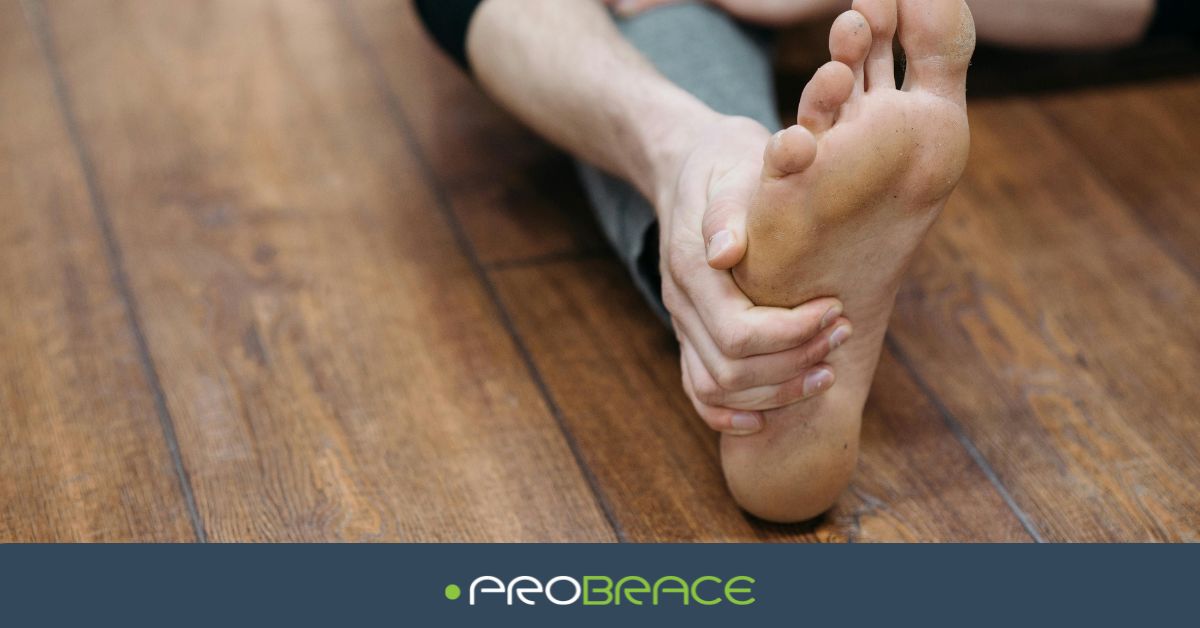
Heel pain! Help, do I have a heel spur?
Heel pain is a common complaint in adults. Sometimes the pain develops gradually and sometimes suddenly, for example after a day of walking, exercising, or standing for long periods. In this blog, we explain what a heel spur is, how it differs from plantar fasciitis, and which treatments can provide relief.
Heel pain, heel spur, and other causes
Not every case of heel pain is automatically a heel spur. Heel pain occurs regularly in both adults and children, but the cause and treatment differ. In this article, we focus on heel pain in adults and discuss:
- The main causes of pain under the heel
- The difference between heel spur and plantar fasciitis
- The symptoms of a heel spur
- Treatment options ranging from rest to advanced therapies
What are the causes of pain under the heel?
Heel pain can arise from various factors. The most common causes are:
- Overuse – A sudden increase in sports activities or prolonged standing can overload the plantar fascia.
- Aging – As we get older, the elasticity of tendons and muscles decreases, making them more susceptible to irritation.
- Weight gain or obesity – Extra body weight increases pressure on the heel bone.
- Trauma or injury – A hard landing after a jump or an accident can damage the structures of the heel.
Although heel pain is often referred to as a heel spur, this is not always the correct diagnosis. It is important to understand the difference between a heel spur and plantar fasciitis.
What exactly is a heel spur?
A heel spur is a small bony outgrowth (osteophyte) on the underside of the heel bone. It usually develops at the attachment point of the plantar fascia under the foot.
The name “heel spur” comes from its resemblance to the spurs that cowboys used to wear on their boots.
A heel spur itself does not always cause pain. Often, it is the inflammation of the surrounding tissue (plantar fasciitis) that is responsible for the symptoms.

What is plantar fasciitis?
Under the foot runs a strong tendon plate, the plantar fascia, which supports the arch of the foot and absorbs pressure with every step. When this tendon plate becomes overloaded, inflammation can develop at its attachment to the heel bone. This is the actual cause of most heel pain complaints.
Long-term plantar fasciitis can eventually lead to the formation of a bony calcification: the heel spur.
The symptoms of a heel spur or plantar fasciitis
The most recognizable symptom is classic start-up pain: pain during the first steps in the morning or after prolonged sitting. The pain is usually located under the heel and gradually decreases after some movement.
This start-up pain occurs because the plantar fascia shortens during rest and suddenly comes under tension when standing up. A night splint can help by keeping the tendon slightly stretched overnight, resulting in less pain in the morning.
Which treatments are available?
Treatment depends on the severity and cause of the condition. Usually, we start with conservative treatments, which are effective for most people.
Conservative treatment methods
The first step is rest and unloading of the heel. Reduce activities that cause pain and use painkillers if necessary. In addition, the following aids can help:
- Soft silicone heel cushions or insoles – such as Bauerfeind Viscoheel, to absorb shock.
- Orthotic insoles – prefabricated or custom-made insoles support the arch and relieve the plantar fascia.
- Night splint or Strassburg sock – keeps the plantar fascia at length during the night.
- Stretching exercises – regular stretching of the calf muscles and plantar fascia improves circulation and reduces tension.
Other (progressive) treatment methods
If symptoms persist despite the above measures, other treatment options are available:
- Shockwave therapy – uses high-energy sound waves to stimulate the healing process.
- Dry needling – relaxes muscles and improves blood circulation by inserting small needles into trigger points.
- EPTE (percutaneous electrolysis) – a modern treatment that targets inflamed tendon tissue using microcurrent.
- Surgery – rarely needed nowadays, but in severe cases of heel spur, an orthopedic surgeon may remove the bony outgrowth.

Directly to: