Jumper’s Knee: What Is Patellar Tendinopathy and How Do You Recover?
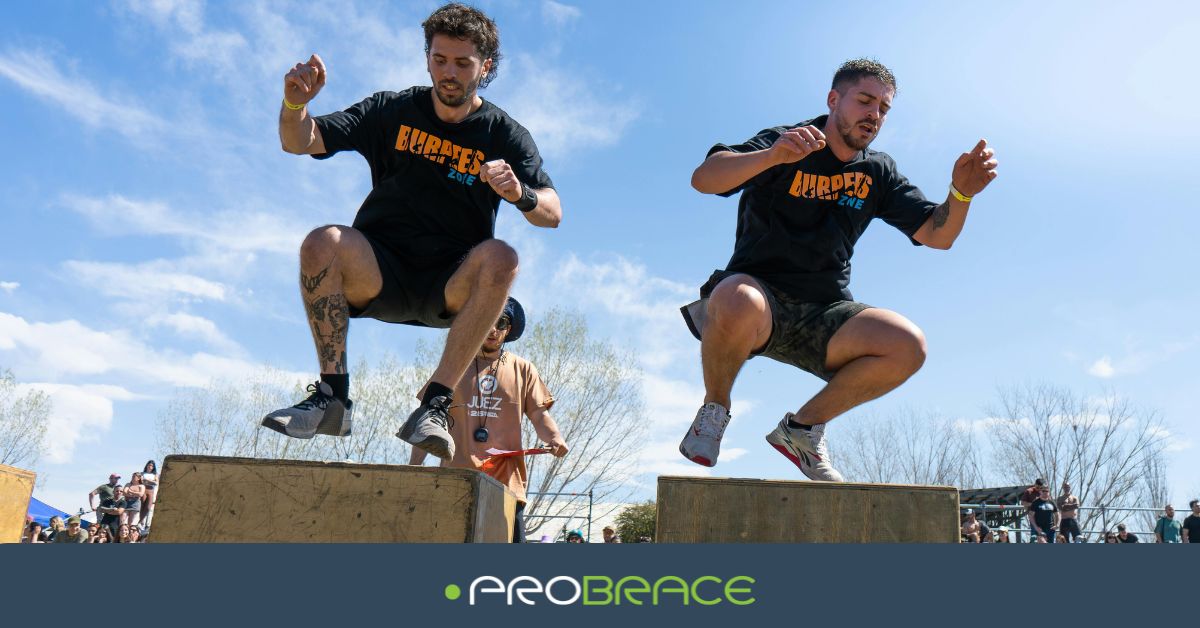
Jumper’s knee, also known as patellar tendinopathy, is a common overuse injury in people who participate in sports involving frequent jumping, explosive take-offs and sudden stops. Sports such as volleyball, basketball, football and running place significant strain on the patellar tendon. The condition often develops gradually but, without proper treatment, can increasingly affect your daily activities and athletic performance.
What Is Characteristic of Patellar Tendinopathy?
In jumper’s knee, the patellar tendon becomes overloaded. This tendon connects the kneecap (patella) to the shinbone (tibia) and is subjected to high tensile forces during jumping and landing. A typical characteristic is pain just below the kneecap that mainly occurs during activities such as jumping, climbing stairs or standing up from a chair.
What Does Jumper’s Knee Feel Like and What Are the Symptoms?
Jumper’s knee usually causes a well-localised pain just below the kneecap, at the level of the patellar tendon. The symptoms often develop gradually and become more noticeable over time.
Common symptoms include:
- Sharp, stabbing or aching pain below the kneecap, especially during jumping, pushing off or landing.
- Pain that initially occurs after sports but gradually becomes noticeable during exercise as well.
- Stiffness in the knee, particularly after periods of rest, such as in the morning or after prolonged sitting.
- Tenderness when pressure is applied to the patellar tendon.
- Reduced strength or a feeling of instability during explosive movements, such as sprinting or climbing stairs.
- Pain during daily activities in more advanced stages, including walking, cycling or standing up from a chair.
- A typical pattern in which the pain temporarily decreases during exercise but returns more intensely afterwards.
This fluctuating pain pattern can make jumper’s knee misleading. Because the knee often feels better during activity, it may seem as though the problem is disappearing, while the tendon is actually becoming increasingly overloaded. This is an important warning sign that the load on the tendon should be taken seriously and addressed promptly.
Can Jumper’s Knee Become Chronic?
Jumper’s knee can become chronic if the patellar tendon continues to be overloaded for an extended period. This does not mean recovery is impossible, but it does mean the rehabilitation process usually requires more time and patience. The sooner treatment begins, the greater the chance of a successful recovery.
How Do You Recover from Jumper’s Knee and How Long Does Recovery Take?
Recovery starts by adjusting the load placed on the patellar tendon. Completely avoiding movement is rarely the best solution. The tendon does not recover through rest alone but through targeted and controlled loading. These controlled stimuli help the tendon become stronger and better able to tolerate stress again.
Activities that clearly worsen the symptoms should be temporarily reduced. Jumping, sprinting and explosive push-offs place particularly high loads on the tendon and may delay recovery. Instead, the focus should be on controlled movements that load the knee without causing sharp pain.
In practice, effective rehabilitation usually consists of a combination of exercise therapy, gradual load progression and avoiding peak loads. Gentle, controlled movement remains important. Walking is often possible, provided it does not significantly increase pain during or after the activity. As a general rule, movement is acceptable as long as pain does not continue to worsen and subsides within a reasonable time afterwards.
Complete rest may actually slow recovery because the tendon gradually loses its ability to tolerate load. As a result, symptoms often return more quickly once activity is resumed. Temporary support, such as a patellar strap or knee brace, can help reduce the load on the patellar tendon and make movement more comfortable during rehabilitation.
Recovery time varies from person to person and depends largely on the severity and duration of the symptoms. In the early stages, recovery may take several weeks to a few months. Long-standing or recurring complaints generally require more time and consistency. With a structured rehabilitation programme, gradual load progression and regular exercises, most people achieve good improvement.

Support During Recovery
During recovery from jumper’s knee, targeted support can help distribute the load on the patellar tendon more effectively. A patellar strap or knee brace applies pressure just below or around the kneecap, helping to reduce the tensile forces on the tendon. This can decrease pain during daily activities and sports while providing greater confidence and comfort, particularly during the rehabilitation phase.
It is important to understand that a brace is not a replacement for exercise therapy but an addition to it. Combined with controlled loading and specific exercises, supportive braces can make rehabilitation more comfortable and consistent, allowing you to stay active without repeatedly exceeding your pain threshold.
Below is an overview to help you choose the right product:
Knee Braces for General Knee Support
| Product | Brace Type | Suitable For | Key Feature |
|---|---|---|---|
| Genu-Go Silistab Patella Knee Brace | Knee brace with patella ring | Mild to moderate complaints and daily use | Silicone patella ring to reduce pressure on the patellar tendon and improve comfort |
| GenuMedi E-motion Performance Knee Brace | Sports knee brace | Returning to sports and active rehabilitation | Dynamic stability with excellent freedom of movement |
| Medi GenuMedi PSS Knee Brace | Knee brace specifically designed for jumper’s knee | Patellar tendinopathy | Designed specifically for jumper’s knee, combining compression with patellar tendon unloading |
| Bauerfeind Outdoor Knee Support | Knee support for walking and outdoor activities | Walking, hiking, mild knee instability, overuse, osteoarthritis and meniscus complaints | Omega Pad supports the kneecap, Downhill Relief System reduces stress during descents, and merino wool provides excellent comfort |
Patellar Straps for Targeted Patellar Tendon Support
| Product | Brace Type | Suitable For | Key Feature |
|---|---|---|---|
| Reh4Mat Patellar Strap | Patellar strap | Mild complaints and daily activities | Simple, adjustable and low-profile design |
| Push Sports Patellar Strap | Sports patellar strap | Sports and training | Remains securely in place during intensive exercise |
| E-life Q-fit Patellar Strap | Patellar strap | Daily use and light sports | Comfortable and quick to adjust |
Additional information to help you choose:
- A patellar strap is particularly suitable for localised pain below the kneecap and mild to moderate jumper’s knee symptoms.
- A knee brace is a better option if you also require additional stability and support for the entire knee, for example during sports or in a later stage of rehabilitation.

Directly to:
- What Is Characteristic of Patellar Tendinopathy?
- What Does Jumper's Knee Feel Like and What Are the Symptoms?
- Can Jumper's Knee Become Chronic?
- How Do You Recover from Jumper's Knee and How Long Does Recovery Take?
- Support During Recovery
- Knee Braces for General Knee Support
- Patellar Straps for Targeted Patellar Tendon Support