Blog
Buying a calf brace? What you need to know about support, symptoms and sizing
Buying a calf brace? What you need to know about support, symptoms and sizing
Calf problems are common among people who are physically active, whether they run, walk or participate in sports. They often start with mild stiffness but can develop into an injury that limits your movement. In many cases, a calf brace can provide support and help reduce symptoms.
What is a calf brace and when should you use one?
A calf brace is an elastic support or compression sleeve that applies pressure to the calf muscles. This pressure stimulates circulation and helps the muscles work more efficiently during physical activity. At the same time, muscle vibrations are reduced, which may help reduce the risk of overuse.
You can use a calf brace when you notice that your calves tire quickly, when symptoms first develop or while gradually increasing your activity level. Extra support can also be beneficial during recovery from an injury. Many people also choose to wear a calf brace preventively during prolonged or intensive activities.
Common calf problems
Calf problems usually develop gradually and are often caused by overuse. This may result from increasing your activity level too quickly, insufficient recovery or incorrect loading during movement.
Symptoms can range from a heavy or tired feeling to sharp pain during movement. Common problems include muscle strains, cramps, stiffness and problems around the Achilles tendon. Because the calf muscles and Achilles tendon work closely together, symptoms in these areas often occur simultaneously.
What is a calf brace used for?
A calf brace provides support during movement but can also play a role during recovery. Compression can stimulate circulation and provide additional support to the calf during physical activity.
A calf brace can also provide a greater sense of security. Especially if you have experienced calf problems before, this additional support can help you move with greater confidence.
There are generally two types of calf braces available. Compression sleeves are widely used and provide even pressure across the entire calf. They are particularly suitable for everyday use, sports and preventive support.
If you already have symptoms or are recovering from an injury, a calf support with targeted compression may be a better choice. This provides additional support to specific areas and helps distribute the load more effectively.
To illustrate the difference, below is a comparison of two popular calf braces:
| Feature | Bodyvine Lightweight Sports Calf Support | EMO Ottec Calf Brace |
|---|---|---|
| Type of support | Light compression | Targeted support |
| Suitable for | Prevention and mild symptoms | Moderate to more severe symptoms |
| Use | Sports and everyday use | Recovery and more intensive use |
| Fit | Thin and lightweight | Firmer and more supportive |
| Freedom of movement | Very high | Slightly more restricted due to additional support |
| Purpose | Reduce fatigue and support performance | Stability and pressure distribution when experiencing symptoms |
The Bodyvine Lightweight Calf Support is particularly suitable if you want to help prevent problems or are looking for light support during sports. Its lightweight material and excellent freedom of movement make it a comfortable choice for active use.
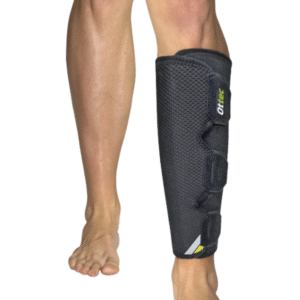
The EMO Ottec Calf Brace is more suitable when symptoms are already present. This brace provides additional support and helps distribute the load on the calf muscles more effectively during recovery.
The main difference therefore lies in the level of support and the intended use. By choosing a calf brace that suits your situation, you can get the most benefit from the support it provides.
How do you choose the right size?
The effectiveness of a calf brace largely depends on the fit. The correct size provides effective compression without becoming uncomfortable.
To determine the correct size, measure the circumference of your calf at its widest point. It is best to do this while standing in a relaxed position. Then compare your measurement with the product’s size chart.
When is a calf brace not enough?
A calf brace can provide a great deal of support, but it does not always address the underlying cause of your symptoms. If your symptoms persist or become worse, it is advisable to investigate the cause further.
This may involve adjusting your activity level, improving your technique or consulting a specialist. A brace is most effective when used as part of a broader approach.